How to Convert Any Fillable PDF to Regular PDF

Summary :
Learn about the easiest methods to convert fillable PDFs to normal PDFs, to preventing further form-filling or editing.
Table of Contents
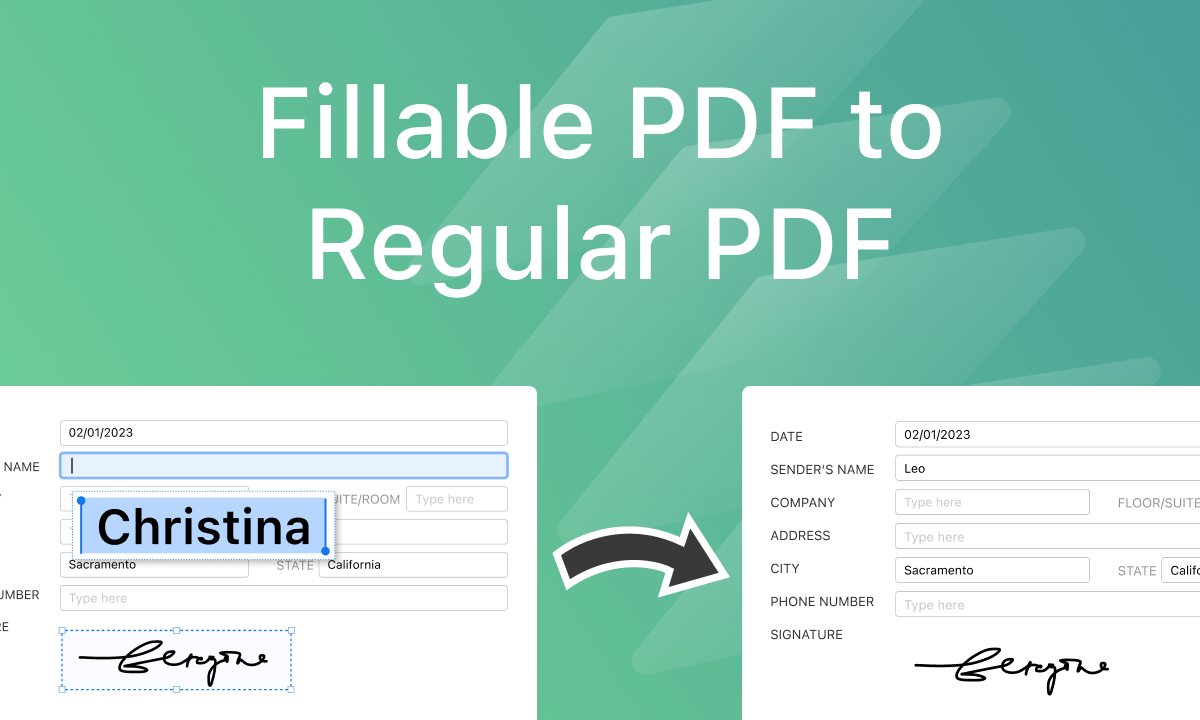
How to Convert Fillable PDF to Regular PDF
Converting fillable PDFs into regular PDFs makes them not editable anymore, ensuring data integrity and document uniformity.
This can be done using various free methods, please read on to learn more.
👉To save time, you can download PDFgear for free, which is the best free tool to make PDFs regular on computer and mobile!
Convert Fillable PDF to Normal Online for Free
Use the free online PDF editor to instantly flatten PDFs online in web browsers for free, no sign-up, no watermark.
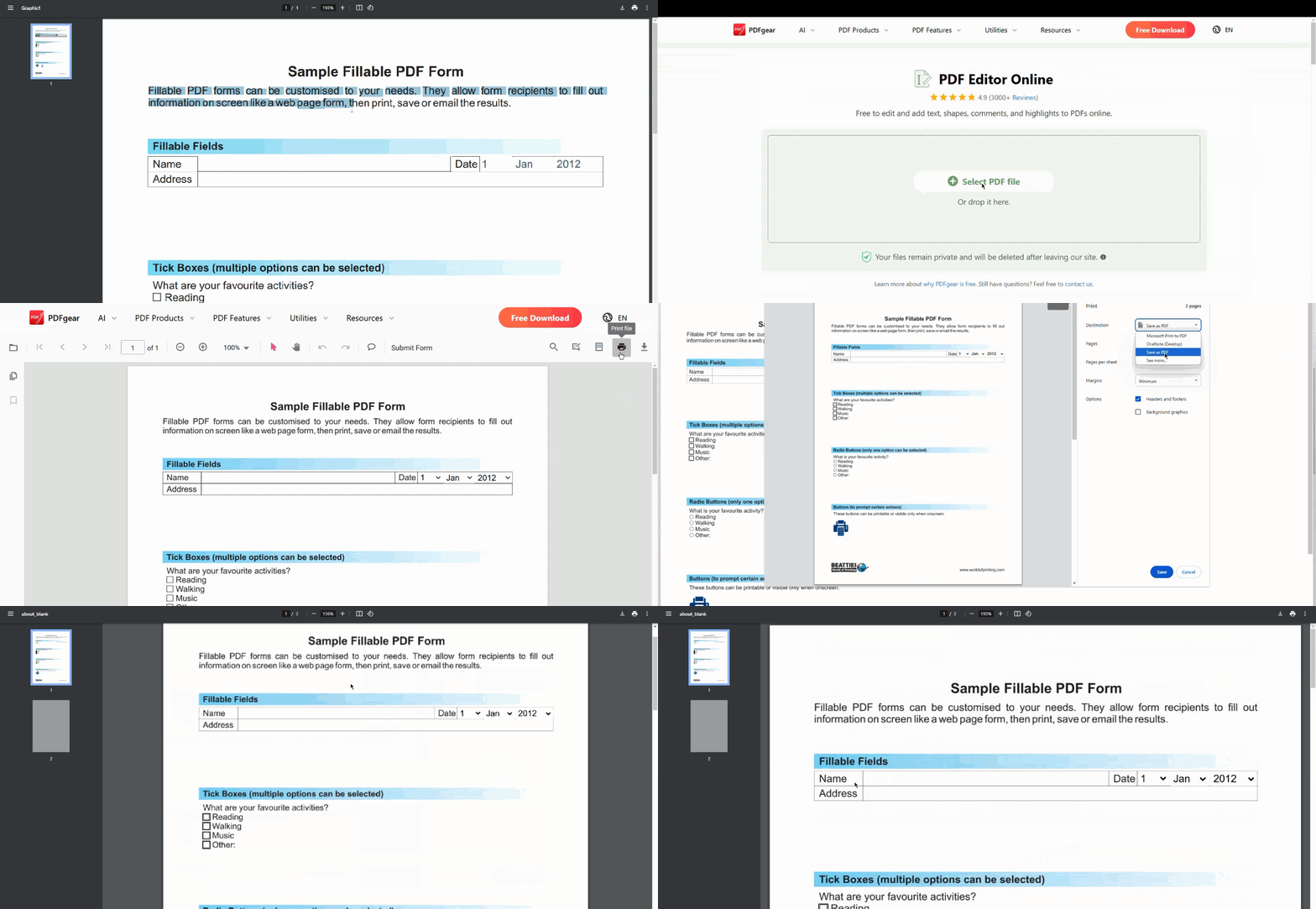
Follow the simple steps:
1. Go to PDFgear online PDF editor, click select PDF file to open PDF.
2. In PDFgear, click the upper-right Print file🖨️ button.
3. Choose Save as PDF as the destination.
4. Choose an output file folder for your PDF.
5. That’s it! Try opening the output PDF in a PDF viewer, and you’ll find it non-editable.
Using Free PDF Flattener Software
The web-based solution is indeed convenient, yet it has its shortcomings, such as instability in poor network conditions, and the inability to work with excessively large PDF files.
If you want to work with larger PDF files, or even want to batch process them, the PDFgear offline software is the choice.
PDFgear PDF editor allows you to convert PDFs into non-editable in bulk, it’s free to use, there’s no hidden fee, and there’s no watermark.
Step 1. Download and install PDFgear on your Windows or Mac computer.
Step 2. Click Open file to open the PDF file.
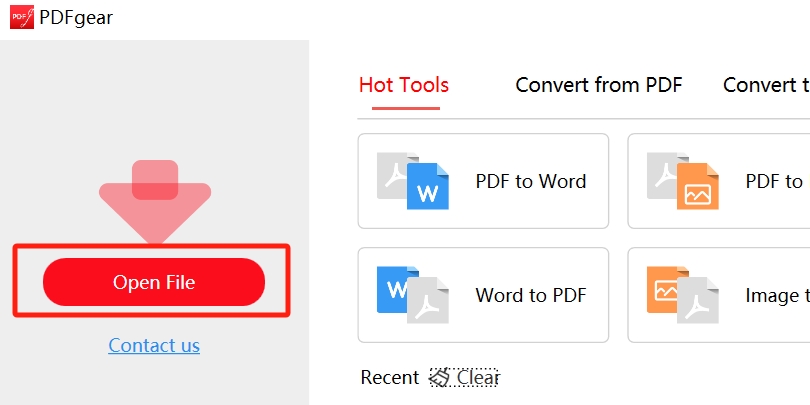
Open PDF File
Step 3. Click the Print🖨️ button in the upper-left corner.
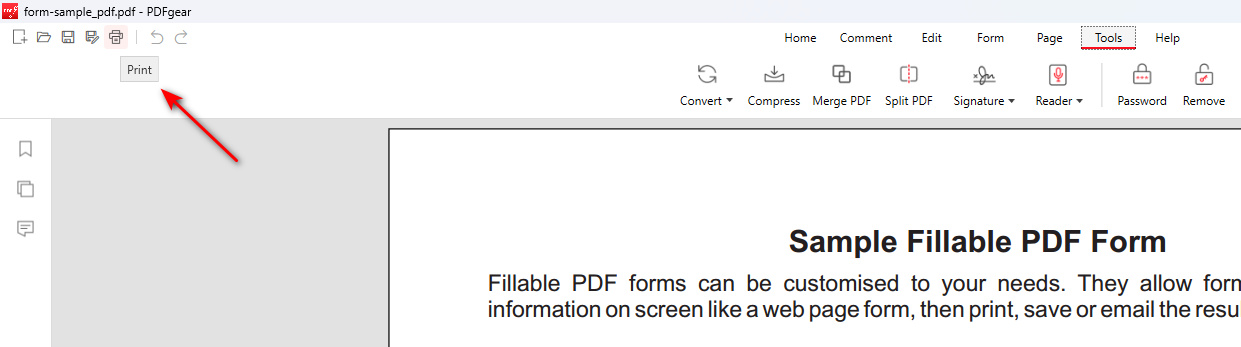
Click Print
Step 4. In the pop-up printer sections window, click on the dropdown for Printer, and choose Microsoft Print to PDF (Windows) or [YOUR INSTALLED VIRTUAL PRINTER] (Mac) from the list of options.
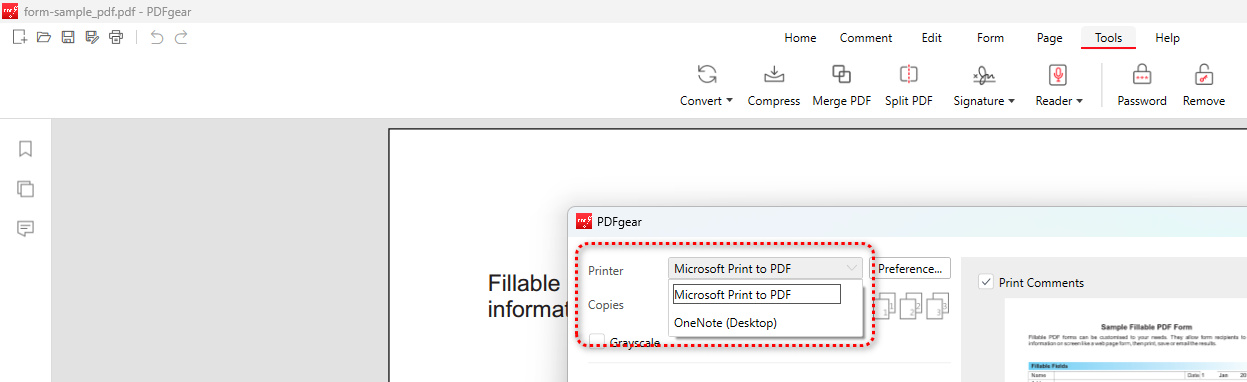
Choose Printer
Step 5. If needed, click on the Batch Print button below and click Add PDF Files to convert multiple PDFs at one go.
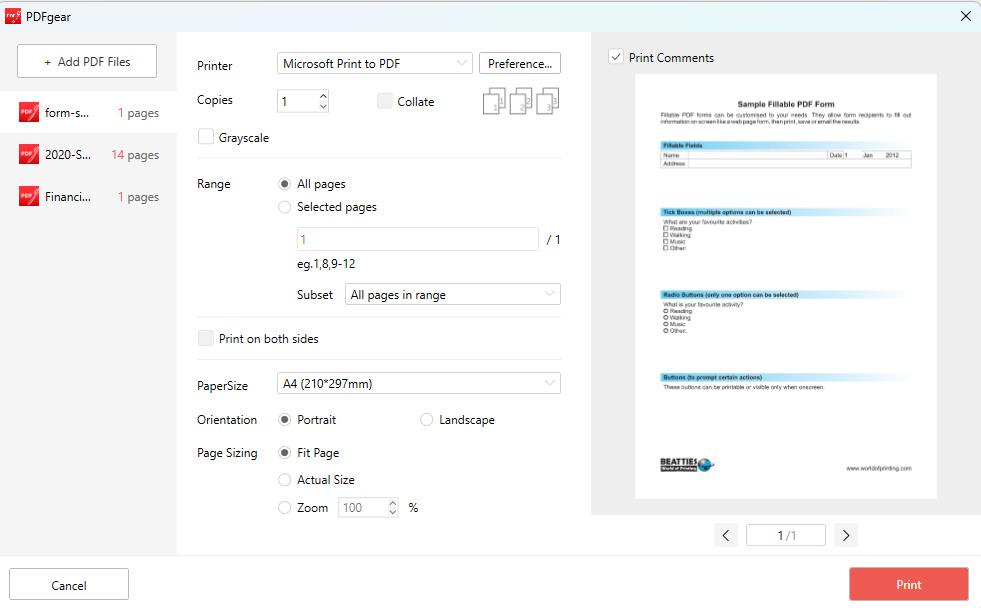
Batch Convert PDFs
Step 6. When ready, click the lower-right Print button, select a destination path in the pop-up File Explorer, and click Save.
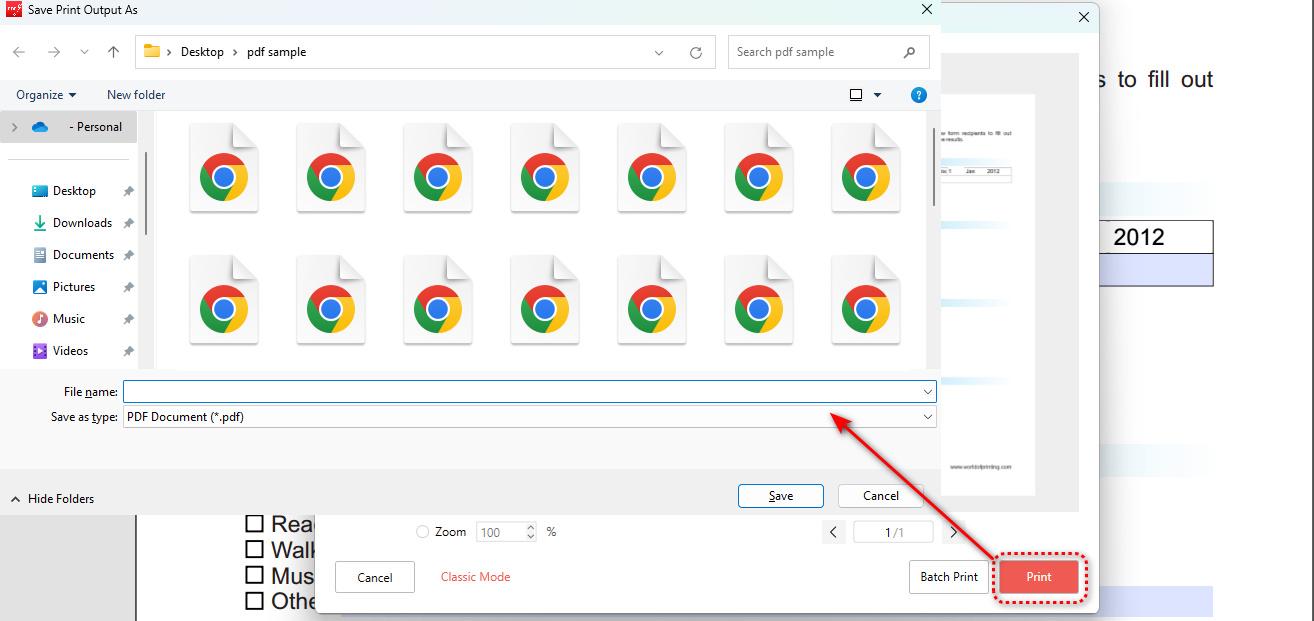
Click Print
Using the Print Feature in Acrobat Reader
Adobe Acrobat Reader is the free version of Adobe Acrobat Pro and it provides many basic PDF editing features, and also a handy virtual printer to flatten fillable form fields in PDFs.
Since Adobe Acrobat is safe and trusted and a matter of fact the flagship in the PDF industry, this method is particularly reliable.
Step 1. Open your PDF in Adobe Acrobat Reader.
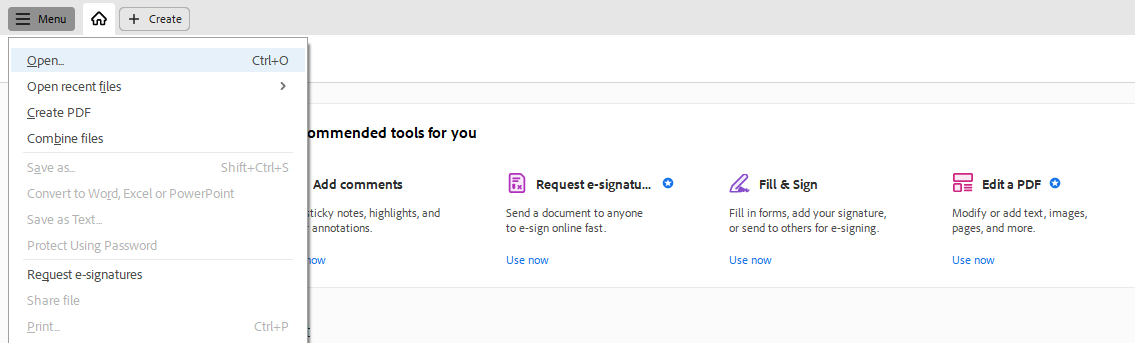
Open PDF
Step 2. Click on the “File” menu and select “Print”.
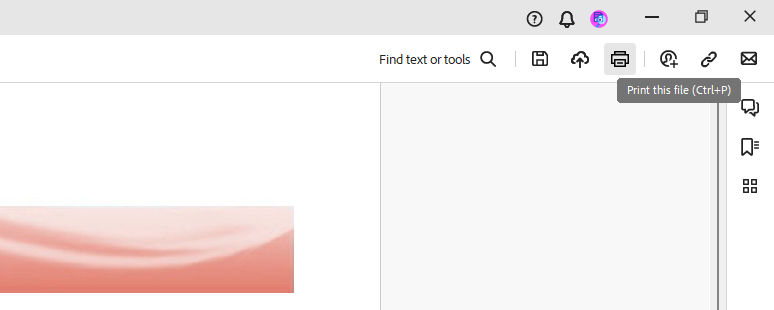
Print PDF in Adobe Reader
Step 3. Choose the printer you want to use.
Step 4. Set your desired print options like page size, orientation, and number of copies.
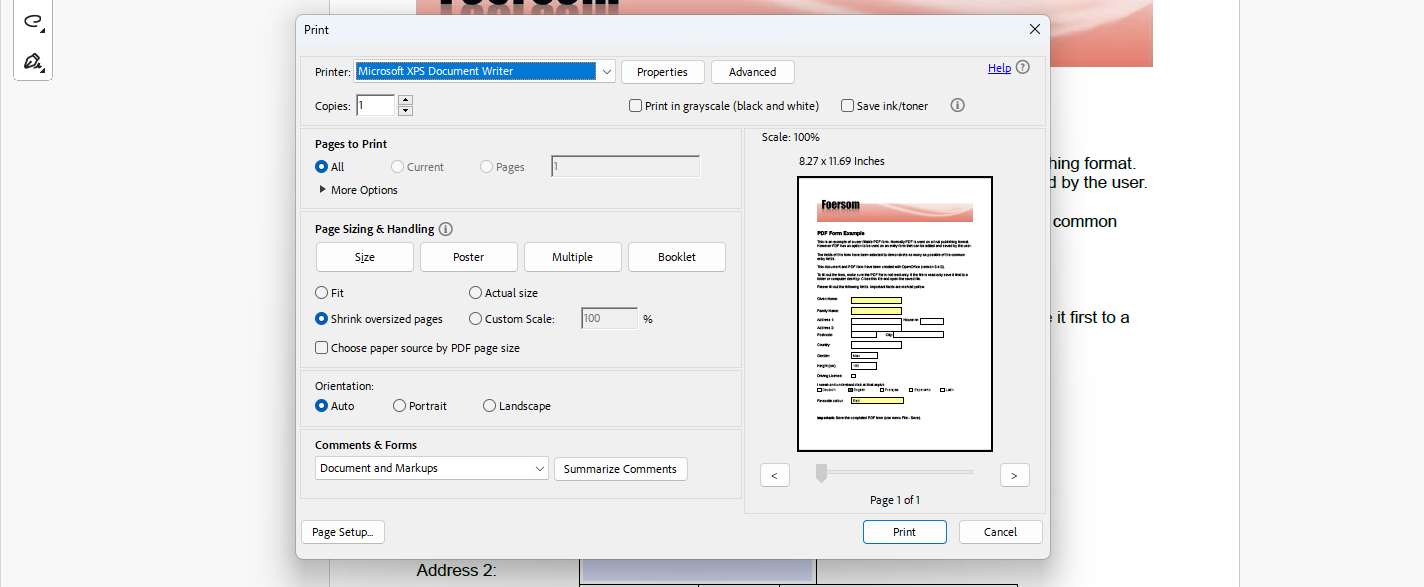
Printer Settings in Adobe
Step 5. Preview the document to ensure it looks as expected.
Step 6. Click “Print” to start the printing process, you’ll find your file in the chosen location.
Using Microsoft Word
Microsoft Word can be a handy tool for converting fillable PDFs to regular PDFs, especially if you don’t have access to dedicated PDF software. Here’s how to do it:
Besides, you may also want to learn how to make fillable PDF forms with Word.
Step 1. Launch Microsoft Word on your computer.
Step 2. Go to File > Open, select the fillable PDF, and open it. Click OK if prompted about conversion.
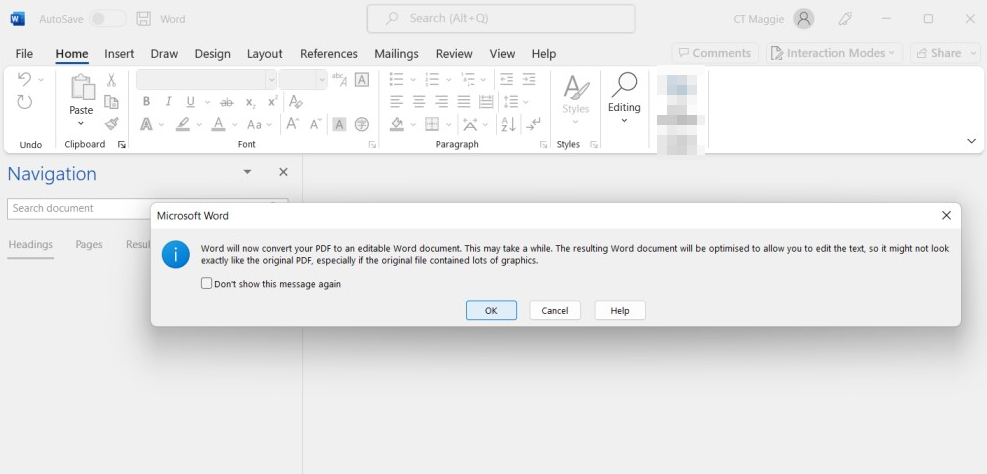
Open PDF on Microsoft Word
Step 3 (Optional). Make any necessary formatting adjustments.
Step 4. Go to File > Save As, select PDF in the Save as type dropdown, and save the file.
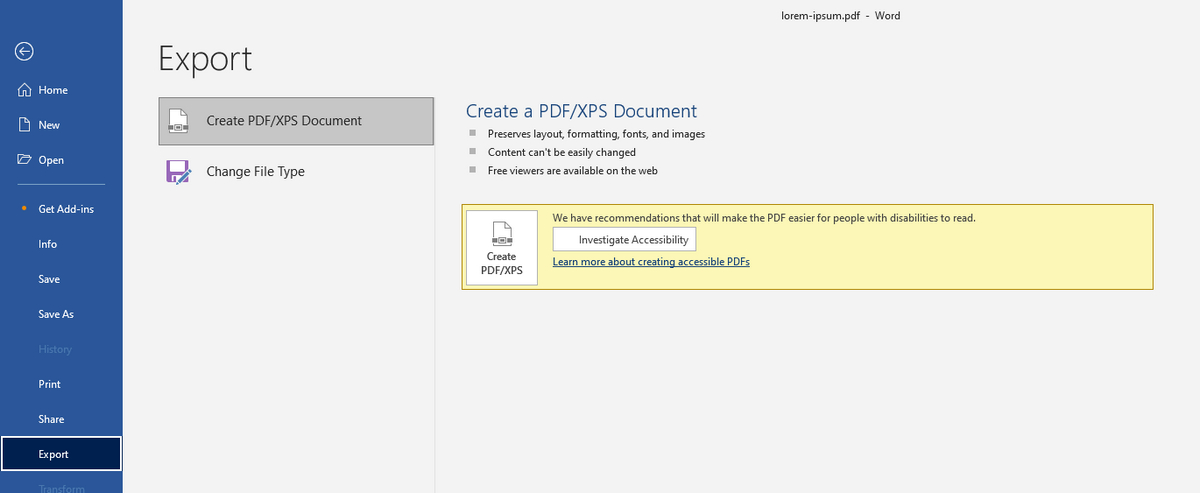
Export PDF
FAQs
What is a fillable PDF?
A fillable PDF contains interactive fields where users can enter or select information.
Why convert a fillable PDF to a regular PDF?
Converting to a regular PDF secures the data entered in the form and prevents further editing.
How do I ensure the data in the form fields is saved when converting?
Fill out the form and save it before converting, or use a method that retains form data, like Print to PDF.
After converting a fillable PDF to a regular PDF, can it be reverted back?
Once flattened or converted, it’s not straightforward to revert to the original fillable form. You need to manually add fillable fields in the regular PDF.
Conclusion
All in all, Adobe Acrobat offers a reliable solution, where the “Print to PDF” feature effectively flattens and saves the document.
Online tools provide a quick, browser-based alternative, useful for occasional conversions.
For those without specialized software, using the Print to PDF function in standard web browsers or Microsoft Word’s PDF import and export capabilities are practical options.
Each method varies in terms of accessibility, security, and fidelity to the original document’s layout and formatting.
